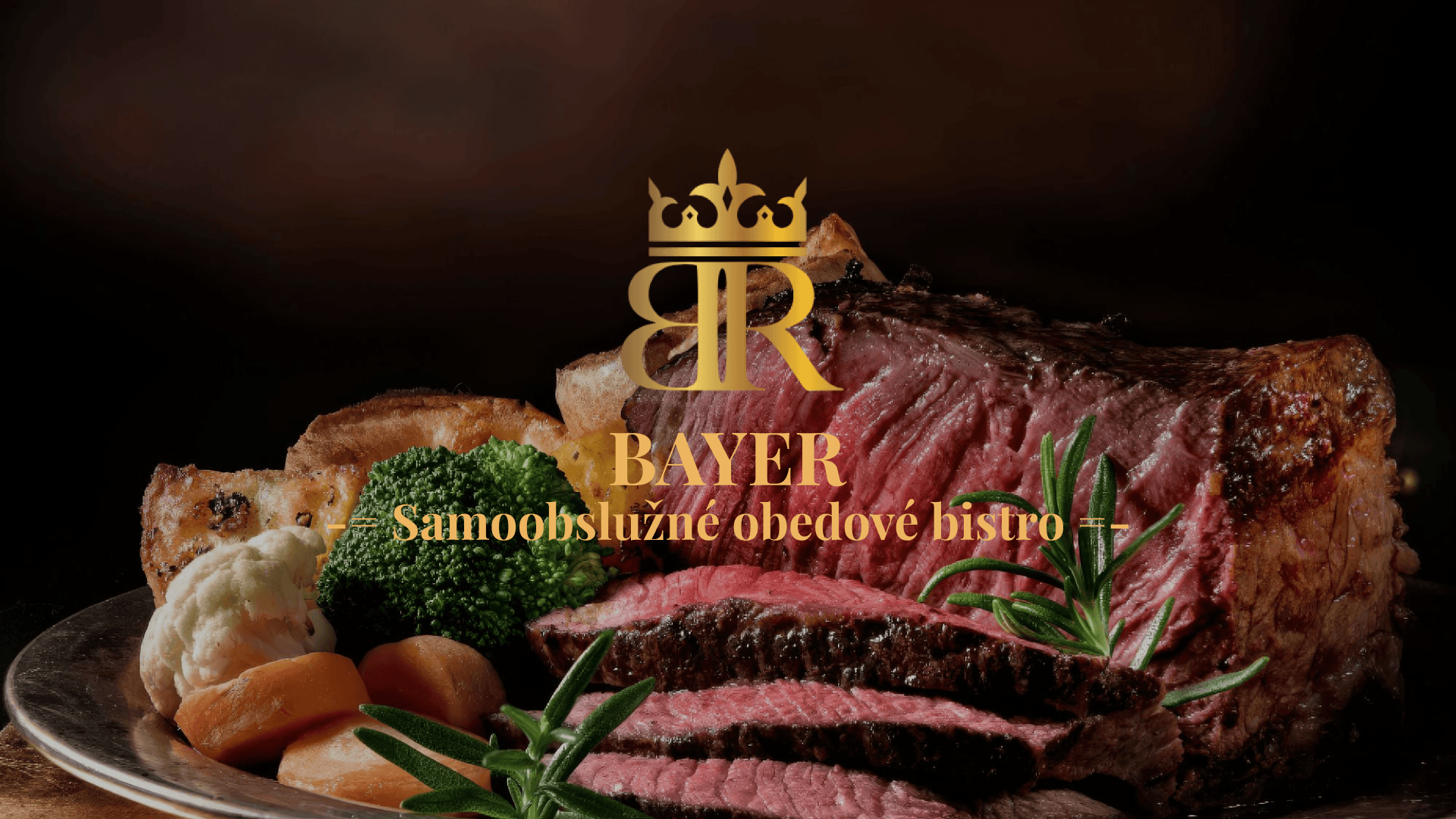
Season 4 · Episode 14 · Na Nože
Bayer Restaurant
Košice

You'll be asked to sign in with Google. It takes two taps.
Aired
Sept. 17, 2025
Visits logged
0 visits
Opening hours
Location & contact
Fejova 1526/11, 040 01 Kosice, Slovakia
Watch the episode
Stream the full Na Nože episode:


Episode recap
The restaurant & setting. We are in Košice, Slovakia's second-largest city, where Martin reckons gastronomy is thriving, which makes him all the more puzzled why he was called here at all. Bayer Restaurant sits in the Slizisko area, almost in the city centre, a location the owner calls perfect, yet the customers have stopped coming. The place has been open since 2023, but today it is essentially a lunch operation running only on weekdays from 10am to 4pm, with no evenings, weekends or holidays. „Neviem, čo som pokazil, že tu ľudia prestali chodiť" ("I don't know what I did wrong that people stopped coming"), the owner admits over a half-empty dining room that feels more like a traditional pub with wooden tables than a modern restaurant.
The people. The owner is Ľuboš (Lubo), an economics graduate with no gastronomy training, who quit his job and learned the trade on the fly. For the first two years he ran the place from eight in the morning until ten at night, never seeing his family or kids, and in eight months never turned a single profitable month, ending up in debt. In December he had to let the waitresses go because there was no money to pay them, and since January he has worked the floor alone. The kitchen is run by Dušan, the longest-serving and quietest of the team, a trained cook since 2000 who is stuck with techniques from thirty years ago. Dušan's mum Mária Rozkochová helps out, along with another cook. „Nezarobil som, ale prežil som" ("I didn't earn anything, but I survived"), is how Lubo sums up his situation.
Why they called Martin. Lubo called Martin because he is out of ideas, can't keep up and has no one to turn to. The place survives month to month on sales promotions and half-kilo portions that win no one over, and the owner is slowly losing his appetite for life itself. „Žijeme, dýchame, každý má výplaty, ale ja mám strach" ("we live, we breathe, everyone gets paid, but I'm scared and feel less and less like coming to work and smiling that everything is fine"). The kitchen cooks 30-year-old dishes using 30-year-old techniques, and nobody knows what to do about it.
The first visit. Martin orders practically the entire menu to taste it all at once and is immediately struck by the chaos on a page full of colours, phone numbers and delivery-company logos, „toto je proste gastrokasíno" ("this is just a gastro casino"). The mushroom soup isn't the worst, but the broth is weak and the mushroom is hard. The stroganoff is nothing like stroganoff, glossy with flour or starch, „chuť nula, nula" ("flavour zero, zero"). The Černohorský schnitzel is over 300 grams, rubbery and clearly pre-made, the pancake is microwave-reheated and so huge nobody could finish it. A Thai plate thickened with starch and rice cooked as if for sushi complete the picture. To finish, Martin rolls the dice in their own in-house game and gets a six, a free lunch: „Toto jedlo nežije, je to smutné" ("this food isn't alive, it's sad").
The diagnosis. Martin names the root of the problem: Lubo grafts from morning on, but he cuts the kitchen's creativity to the bone for the sake of price, while Dušan as head chef takes no responsibility. „To, čo dnes je v kuchyni a čo človek dostal na stôl, je tvoja vizitka" ("what's in the kitchen and what lands on the plate is your calling card, and it always comes down to the chef"). It emerges that Dušan is far too quiet, lacking firmness and professional respect, and that in four years he has brought nothing new to the place. „Prečo varíte jedlá, ktoré sú 30 rokov staré" ("why are you cooking dishes that are 30 years old, and what are people supposed to come for?"). Martin pushes the team to start communicating and pulling together.
The reset. The next day everything revolves around costings and Dušan's confidence. Martin teaches him that meat has to be seared in a pan for colour and flavour first, not just thrown into a combi oven, „viac farby je viac chuti" ("more colour is more flavour"). Together they weigh and record every ingredient of the stroganoff, and it turns out that at €8.50 Lubo loses money on the dish, around €1,768 a month. „Po trojku nejdú ani vývarovne" ("not even canteens go below a threefold markup"), Martin reminds him of the buy-times-three rule. A €2,000 Tesco voucher for groceries arrives, and Martin brings in his friend Filip with the „dotykačka" POS system and mobile waiter terminals so they can finally see their stock and margins. That evening Martin takes Dušan to cook at his home for his mum, to rekindle the cook's fire in him and give him some energy through an honest meatloaf with a fried egg.
New concept & menu. No rebrand, just a transformation into a modern Slovak lunch bistro with traditional dishes in a modern guise. Martin pre-cooks the inspiration: pea purée, the so-called „atomkaša", with a grilled sausage and fresh marjoram, a fried tripe cutlet with a zesty potato salad, and as a sweet main course a rice pudding with plum syrup, whipped egg-white meringue and freeze-dried plums. „Každý chlap musí odchádzať spokojný" ("every bloke has to leave satisfied"). The dishes are simple, cheap to make and, above all, the kind people come back for.
The big night. The kitchen is locked in, the portions are weighed, Dušan cooks with colour and structure for the first time and Martin is genuinely proud of him. The trouble comes on the floor, where Lubo wanted to work alone but can't keep up: he mixes up tables, doesn't number the tickets, doesn't know which dish goes where, and it all starts to fall apart. „Nádych, výdych, neobjednávaj, keď nevieš, ktorý je stôl ktorý" ("breathe in, breathe out, don't take an order when you don't know which table is which"). Martin calms him and sends the cooks out to help, the team recovers and the guests leave happy, praising the corn with egg and the flatbread served with the bean soup. „Vždy sa kam posúvať" ("there's always somewhere to improve"), Martin concludes after the first real service.
One month later. A month on, Martin returns to a restaurant that is working, the bistro is busy and people are coming. The progress shows: new signage and fresh paint outside, work done on the interior, and crucially twenty pointless dishes cut from the menu. The tripe soup is well seasoned but short on tripe, the garlic soup is excellent, the meatloaf with a Scotch egg earns a hats-off. The pork tenderloin is finally a lovely pink and not overcooked, but the potatoes and grilled vegetables are left completely unsalted, while the stewed vegetables are extremely oversalted, „taká školácka nepozornosť" ("a schoolboy lapse of attention"). The oyster-mushroom perkelt with halušky lands right on the mark.
Verdict: Martin doesn't hide that the work isn't finished, but he recognises that the lads have come a long way, especially in the kitchen and in letting themselves be advised to cut the excess of dishes. „Nabral si trošku vietor do plachiet a rozbehol si sa" ("you've caught a bit of wind in your sails and got going"). His greatest joy is that Dušan found his motivation and became a different man. They just need to watch the salt and tie up the details. 3 knives.
Mentioned in the blog
- A guide to Na nože season 4: every restaurant and its story A complete guide to Na nože season four: all sixteen restaurants from Nitra to Košice, Ma…
- The best Na nože restaurants, region by region across Slovakia A guide to the open restaurants from Na nože, grouped by region: west, centre, and east. …
Frequently asked questions
Is Bayer Restaurant still open?
Yes, Bayer Restaurant in Košice is still open.
Where was Bayer Restaurant filmed?
Bayer Restaurant is located at Fejova 1526/11, 040 01 Kosice, Slovakia, Košice.
How many knives did Bayer Restaurant get from Martin Novák?
Chef Martin Novák rated Bayer Restaurant 3 out of 5 knives.
In which season and episode of Na nože did Bayer Restaurant appear?
Bayer Restaurant appeared in season 4, episode 14 of Na nože, aired 17.09.2025.